

Italy enters 2026 with an industrial landscape shaped by heritage, innovation, and a renewed push toward global competitiveness. Its factories, engineering hubs, and automotive clusters are navigating digital transformation, ecological demands, and shifting export markets with a mix of resilience and technical skills. For product managers, engineering teams, and documentation specialists, Italy’s industrial evolution offers a clear view of how manufacturing strength, international trade, and precise technical communication now intersect in a rapidly changing global economy.
History of the Italian Industry
Italy’s industrial identity grew from a long tradition of craftsmanship, engineering skill, and regional specialization. After World War II, the country entered a period of rapid industrialization that reshaped its economy and positioned it as one of Europe’s most dynamic manufacturing nations. Northern regions became centers for automotive production, machinery, metalworking, and precision engineering. These clusters developed strong supplier networks and a culture of technical innovation that still defines Italian industry today.
The 1980s and 1990s brought globalization and new competitive pressures. Italian companies responded by specializing, adopting flexible production, and focusing strongly on export markets. Many built reputations for high‑quality machinery, industrial components, and advanced materials. This mix of tradition and innovation remains a defining feature of the Italian industrial system. It continues to rely on technical skills, design capability, and the ability to adapt to global demand.
Italy Today: Facts & Figures
Italy remains one of Europe’s largest manufacturing economies. Industrial production in 2026 is expected to show moderate but steady growth, supported by strong performance in capital and intermediate goods. Monthly fluctuations continue, but the overall trend is stable. Late 2025 ended with solid gains, and early 2026 maintained that momentum. These results confirm the resilience of Italian manufacturing during the current political period of global uncertainty.
Machinery, automotive components, pharmaceuticals, food processing, and energy technologies remain core strengths. Many companies operate in specialized segments that supply global manufacturing chains. This structure supports long‑term stability and positions Italy as a key industrial partner for Europe, North America, and Asia. The country’s industrial base is diverse, export‑oriented, and deeply integrated into international supply networks.
International Trade
Italy is one of the world’s major exporters of manufactured goods. Its industrial system depends on strong trade relationships with the European Union, the United States, China, Switzerland, and the United Kingdom. Germany remains Italy’s largest export market, followed by France and the United States. These countries import machinery, vehicles, industrial components, chemicals, and high‑value consumer goods. Italy also exports significant volumes of specialized equipment to Spain, Poland, and the Netherlands.
The strength of these export markets shapes investment decisions and production planning. Italian companies maintain strong positions in niche segments like packaging machinery, robotics for manufacturing, food‑processing equipment, and specialized automotive components. Many firms supply global OEMs and rely on long‑term partnerships with industrial clients abroad. This export orientation drives innovation and supports the adoption of digital tools and advanced production systems.
International trade also increases the need for clear, accurate, and compliant technical documentation. Product managers and engineering teams must ensure that manuals, safety instructions, and digital interfaces meet the expectations of global customers. Expert translation and localization play a strategic role here. They help companies adapt technical content to regulatory, cultural, and operational requirements in each target market. This capability supports market access and strengthens Italy’s position in global supply chains.
Italy’s Fashion Industry and Its Global Reach
Italy’s fashion industry remains one of the country’s most influential industrial sectors, combining design heritage with advanced manufacturing. Milan continues to serve as a global fashion capital, supported by textile clusters in Lombardy, Veneto, Tuscany, and Emilia‑Romagna. Italian fashion exports remain strong in 2026, with high demand from the United States, China, France, Germany, South Korea, and the United Arab Emirates. Luxury apparel, leather goods, footwear, and accessories drive much of this growth. These products rely on precise craftsmanship and complex supply chains that link designers, textile producers, and specialized manufacturers. As brands expand into new markets, they depend on accurate product information, compliant labeling, and clear communication across languages. Translation and localization ensure that technical details, care instructions, and digital product descriptions meet regulatory and cultural expectations worldwide. This clarity supports brand reputation and strengthens Italy’s position as a leader in global fashion manufacturing.
Italy’s Automotive Industry Then and Now
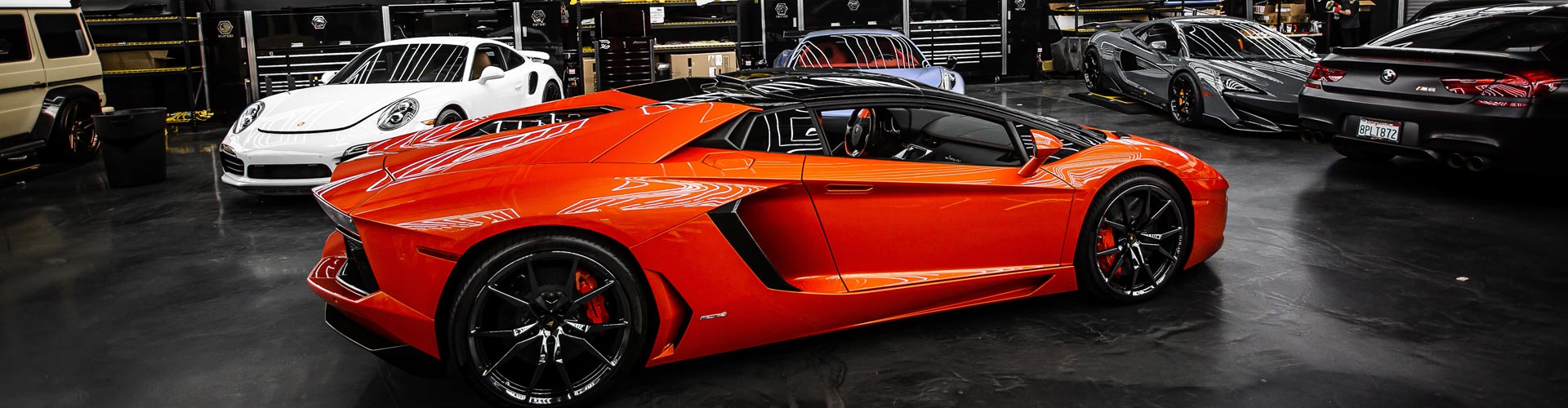
The automotive sector has long been a symbol of Italian industrial capability. Historic brands shaped global perceptions of Italian engineering, design, and performance. The industry expanded through the twentieth century with strong production in Turin, Modena, and Emilia‑Romagna. It developed a dense network of suppliers that specialize in components, robotics, and advanced materials.
Today, the sector is undergoing rapid transformation. Electrification, digitalization, and new mobility models are reshaping production. Italian suppliers export heavily to Germany, France, Spain, the United States, and China. These markets demand components for electric powertrains, battery systems, and advanced driver‑assistance technologies. Italian companies are investing in new production lines, digital tools, and research partnerships to meet these requirements.
The shift toward Industry 4.0 is visible in robotics adoption, predictive maintenance, and integrated production systems. These technologies require precise documentation and clear communication across languages. Localization ensures that technical specifications, diagnostic tools, and user interfaces are accessible to international customers. It also supports compliance with safety standards and regulatory frameworks in key export markets.
Ecological Transformation of the Italian Industry
Sustainability is now a central pillar of Italy’s industrial strategy. Companies are investing in energy efficiency, circular production, and low‑emission technologies. Industrial production data shows that sectors linked to green technologies continue to expand. Manufacturers are upgrading machinery, optimizing logistics, and integrating renewable energy sources. These investments support competitiveness in export markets where sustainability standards are rising.
Italy’s industrial clusters are developing new capabilities in hydrogen technologies, battery production, and recycling systems. These initiatives align with EU goals for climate neutrality and industrial resilience. They also strengthen Italy’s position in global supply chains for green technologies. Engineering teams must document environmental performance, energy consumption, and compliance with EU regulations. Clear and accurate communication is essential, especially when companies operate across multiple regions and regulatory environments.
The ecological transition also increases the need for multilingual reporting. Sustainability data, environmental declarations, and compliance documentation must be consistent across markets. Expert translation and localization ensure that this information is accurate and aligned with local expectations. This work supports transparency and strengthens trust with international partners.
Italy within the Context of the EU
Italy plays a key role in the European industrial system. It is one of the EU’s largest manufacturing economies and a major contributor to the single market. Industrial production trends in 2025 and 2026 show that Italy remains integrated into European supply chains. Demand from Germany, France, Spain, and Poland continues to support growth in machinery, vehicles, and industrial components.
EU policies on digitalization, sustainability, and industrial resilience shape Italy’s strategic direction. Companies must comply with EU standards for safety, environmental performance, and product documentation. Italy also benefits from EU funding for digital transformation and green technologies. These programs support investments in automation, renewable energy, and advanced manufacturing.
As Italian companies expand their presence in European and global markets, the need for precise and accessible technical communication grows. Translation and localization help ensure that product information, digital interfaces, and safety documentation meet EU requirements. They also support collaboration across multinational engineering teams and cross‑border industrial projects.
Bottom Line
Italy’s industrial engine is running strong in 2026, powered by innovation, export demand, and a fast‑moving shift toward greener and smarter production. Companies that operate across borders know that technical accuracy alone is not enough. Success depends on how clearly products speak to global customers. Expert translation and localization transform engineering knowledge into accessible, trusted information that travels as well as the products themselves. In a competitive global market, that clarity becomes a strategic advantage.
Sources
- https://www.istat.it/en/press-release/industrial-production-january-2026/
- https://www.focus-economics.com/countries/italy/news/industrial-production/italy-industrial-production-12-05-2026-industrial-production-speeds-up-in-march/
- https://economy-finance.ec.europa.eu/economic-surveillance-eu-member-states/country-pages/italy/economic-forecast-italy_en
- https://tradingeconomics.com/italy/industrial-production
- https://think.ing.com/snaps/italian-industrial-production-started-2026-on-a-soft-footing/
- https://en.ilsole24ore.com/art/made-in-italy-sectors-drive-growth-2026-AHsXbxXD?refresh_ce=1
- https://www.istat.it/wp-content/uploads/2025/12/ITALYS-ECONOMIC-OUTLOOK-2025-2026.pdf
- https://www.oecd.org/en/publications/2026/04/foundations-for-growth-and-competitiveness-2026_f68a156b/full-report/italy_8ffddd80.html
 Author: Eurotext Editorial Team
We explain how internationalization works, provide tips for your translation projects and outline some of the technology and processes used. We also report on current e-commerce developments and cover a range of language-related topics.