

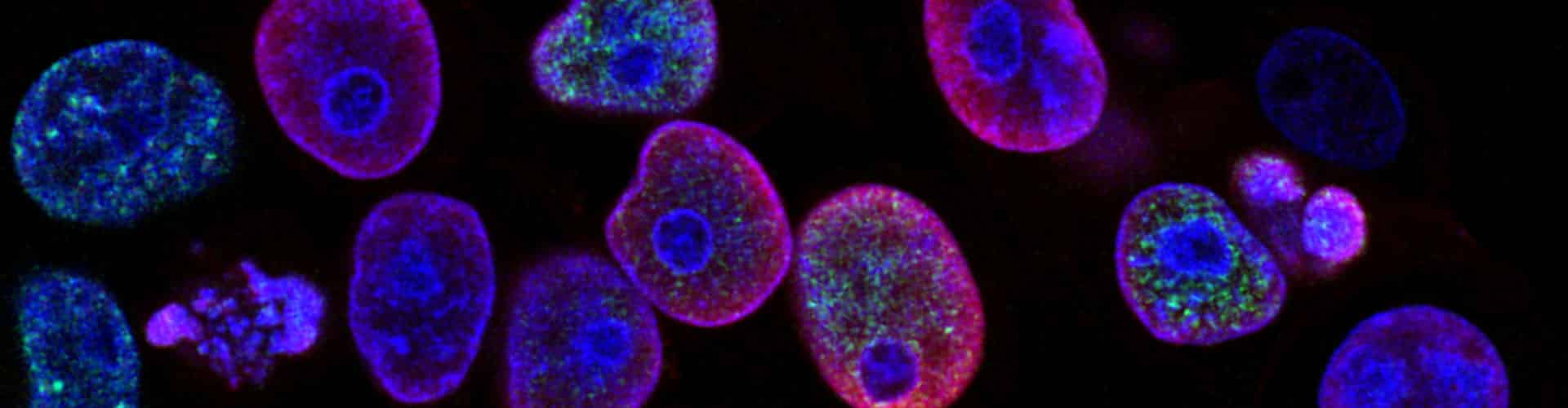
World Cancer Day, observed every year on February 4, has become one of the most important global health awareness events. It unites governments, researchers, clinicians, patient advocates, and communities in a shared mission: reducing the global burden of cancer. As cancer cases continue to rise worldwide, the day serves as a reminder that prevention, early detection, equitable treatment, and international cooperation are essential to saving millions of lives.
Origins of World Cancer Day
World Cancer Day was created on February 4, 2000, when the Paris Charter Against Cancer was signed at the World Summit Against Cancer for the New Millennium. The Charter called for stronger global collaboration in cancer research, prevention, and patient support. It also established February 4 as the annual day dedicated to raising awareness and driving action. The Union for International Cancer Control (UICC) leads the global campaign, supported by the World Health Organization (WHO) and hundreds of cancer organizations. The current multi‑year theme, “United by Unique” emphasizes the importance of patient‑centered cancer care and the need to recognize each person’s individual experience.
Cancer Facts & Figures
Cancer remains one of the world’s leading causes of death. According to the World Health Organization, the most recent global estimates show that 20 million new cancer cases were diagnosed in 2022, and 9.7 million people died from cancer. These numbers continue to rise, with projections showing a dramatic increase in the coming decades. WHO estimates that global cancer cases will reach 35 million by 2050, an increase of 77% from 2022 levels. The Global Cancer Observatory (GCO) reports that the most common cancers worldwide are breast, lung, colorectal, prostate, and stomach cancer.
Lung cancer remains the leading cause of cancer death globally, followed by colorectal and liver cancer. More than 40% of cancer cases are linked to preventable risk factors like smoking, alcohol consumption, obesity, and environmental exposures. The burden of cancer is not evenly distributed. High‑income countries have better access to screening and treatment, while low‑ and middle‑income countries (LMICs) face rising incidence and limited resources. This imbalance contributes to the stark reality that 70% of global cancer deaths occur in LMICs.
Regions Worldwide With the Greatest Need for Screening and Therapy
Cancer affects every region of the world, but the need for improved screening, diagnostics, and treatment is most urgent in low‑resource settings.
In South‑East Asia, the WHO reports 2.4 million new cancer cases and 1.5 million deaths in 2022, including 56,000 childhood cancers. The region faces high rates of cervical cancer, oral cancer, and breast cancer, many of which are preventable or treatable when detected early. By 2050, cancer cases in the region are expected to rise by 85%, driven by population growth, aging, and lifestyle changes.
Across Africa, cancer mortality rates are among the highest in the world. Limited access to pathology services, radiotherapy, and chemotherapy means that many cancers are diagnosed at late stages. Cervical cancer remains a leading cause of death among women, despite being almost entirely preventable through HPV vaccination and screening.
In Latin America, cancer incidence continues to rise, but access to treatment varies widely. Urban centers may offer advanced oncology care, while rural areas face shortages of specialists, diagnostic equipment, and essential medicines.
Globally, the WHO highlights persistent gaps: many countries lack national cancer control plans, population‑based cancer registries, and affordable access to essential cancer medicines. These disparities underscore the need for global cooperation and investment in early detection and treatment infrastructure.
The Importance of Translation in Fighting Cancer Worldwide
Cancer is a global disease, and the fight against it depends on the ability to communicate medical knowledge across languages and cultures. Translation and localization play a critical role in ensuring that prevention messages, screening instructions, treatment plans, and clinical research are accessible to all. Public health campaigns rely on clear, culturally adapted communication. Whether promoting HPV vaccination, tobacco cessation, or early screening, multilingual messaging ensures that life‑saving information reaches diverse populations. Patients undergoing screening procedures like mammograms, colonoscopies, or HPV tests must understand preparation instructions to avoid delays or misdiagnosis.
Cancer treatment is complex, involving chemotherapy, radiotherapy, immunotherapy, and targeted therapies. Patients must understand risks, side effects, and treatment schedules. Accurate translation is essential for informed consent and adherence to therapy. In clinical research, international trials depend on precise translation of protocols, patient‑reported outcomes, and regulatory documents to maintain scientific integrity and patient safety. Cross‑border care also highlights the importance of multilingual communication. Many patients travel abroad for cancer treatment, requiring translated medical records, discharge summaries, and follow‑up instructions. Without accurate translation, continuity of care is compromised. In short, translation is not an optional service. It is a core component of global cancer control, ensuring equitable access to prevention, diagnosis, and treatment.
Bottom Line
World Cancer Day is a powerful reminder that cancer remains one of the most urgent global health challenges. The latest data shows rising incidence worldwide, with the heaviest burden falling on low‑ and middle‑income countries where access to screening and treatment is limited. At the same time, advances in immunotherapy, AI‑driven diagnostics, and personalized medicine offer new hope. But scientific progress alone is not enough. Clear, accurate, multilingual communication is essential to ensure that prevention messages reach communities, that patients understand their treatment, and that global research collaborations thrive. As the world marks another World Cancer Day, the message is clear: reducing the global cancer burden requires not only innovation and investment but also a commitment to making cancer knowledge accessible to everyone, in every language.
Sources
- https://www.worldcancerday.org
- https://www.who.int/health-topics/cancer#tab=tab_1
- https://gco.iarc.fr/en
- https://www.who.int/data/gho/publications/world-health-statistics
- https://www.who.int/news-room/fact-sheets/detail/cervical-cancer
- https://gco.iarc.who.int/media/globocan/factsheets/populations/903-africa-fact-sheet.pdf
- https://www.worldwidecancerresearch.org/our-latest-news/news-and-press/our-top-cancer-research-breakthroughs-of-2025/
- https://www.cancer.gov/research/progress/250-years-milestones
 Author: Eurotext Editorial Team
We explain how internationalization works, provide tips for your translation projects and outline some of the technology and processes used. We also report on current e-commerce developments and cover a range of language-related topics.