

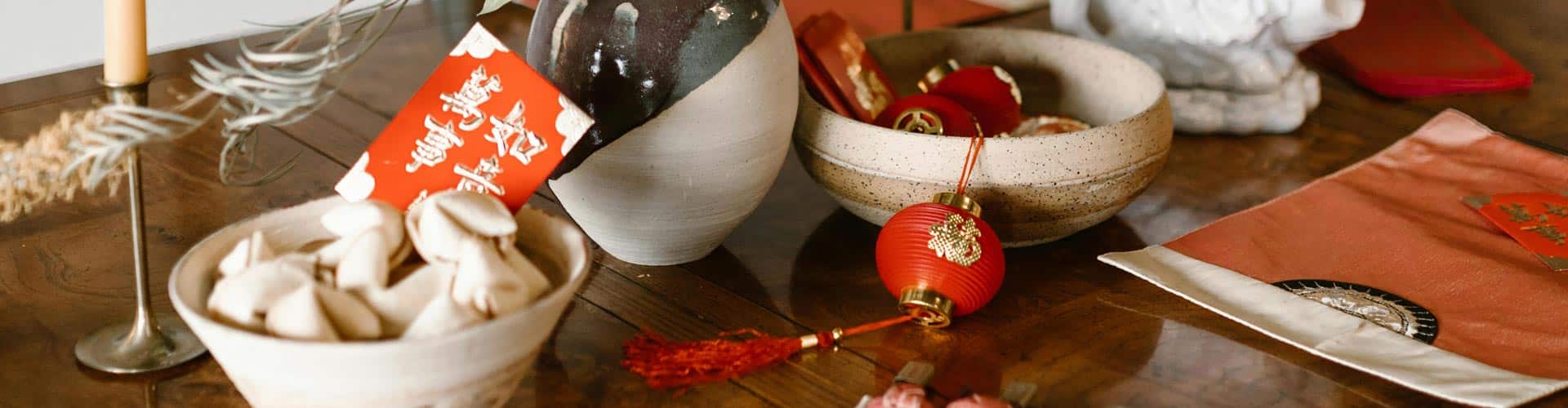
The Chinese New Year is one of the most important holidays in Chinese culture. It has influenced similar celebrations in other cultures, commonly referred to collectively as Lunar New Year, such as among the Losar of Tibet, the Tết of Vietnam, the Seollal of Korea, as well as the Shōgatsu and the Ryukyu of Japan. It is also celebrated worldwide in regions and countries with significant Overseas Chinese populations, especially in Southeast Asia (Singapore, Brunei, Cambodia, Indonesia, Malaysia, Myanmar, the Philippines, and Thailand). Beyond Asia, festivities are held in Australia, Canada, France, Mauritius, New Zealand, Peru, South Africa, the United Kingdom, the United States, and many European countries.
Chinese New Year 2026: Dates and Traditions
The Chinese New Year 2026 officially begins on February 17, marking the Lunar New Year. The celebrations last for 15 days. Preparations start around two weeks in advance, with families winter-cleaning their homes to leave the old behind and welcome a fresh start. In the days leading up to New Year’s Eve, children receive red envelopes with money to ensure prosperity in the year ahead.
Out with the snake, in with the horse
Just like the lead-up to New Year’s Eve in the West, this is a time for shopping. Top products are clothes, gifts, and decorations. Although some people decorate their houses several days in advance, most do it during the day of Chinese New Year’s Eve.
2026 is the Chinese Year of the Horse. In Chinese mythology, the horse represents energy, freedom, strength, and active momentum. Horses are also associated with success, ambition, good fortune, and progress. Let’s see if we can live up to these high expectations in 2026!
The Legend Behind Chinese New Year
According to legend, every Lunar New Year’s Eve, Nian, a terrifying beast with sharp teeth and horns, living in the depths of the sea, would come ashore to wreak havoc in Chinese villages. One year – much by chance – the villagers discovered that Nian hated the color red and was afraid of loud noises. To protect themselves from harm, they proceeded to hang red decorations and lit firecrackers to scare the monster away. The strategy worked, Nian was driven back into the sea, never to return. The Chinese have celebrated their victory over evil and a fresh start to the year ever since. To commemorate that victory, Chinese New Year celebrations culminate in the Red Dragon Dance on the last day of celebrations.
Chinese New Year and e-Commerce Opportunities
In terms of e-commerce, the Chinese New Year offers plenty of opportunities – not only in Asia. Given the length of the festival, and the wonderful imagery, your marketing campaigns could be bursting with color and Far-Eastern mysticism.
Here are just a few ideas to boost your e-commerce sales:
1) Create virtual red envelope giveaways to captivate your audience and drive engagement. These can be distributed via social media platforms like Facebook or Instagram, each containing discounts, vouchers, or small gifts representing your brand.
2) Encourage your customers to share their Chinese New Year experiences – abroad or at home – with pictures, videos, or stories that can be shared on your social media channels.
3) Spruce up your website with festive Chinese New Year decorations to attract and engage customers. Traditional red and gold colors, lanterns, and symbols like dragons – and of course dynamic horse motifs create a vibrant atmosphere.
Cultural Sensitivity in Marketing Campaigns
When creating marketing campaigns about a foreign tradition you may not know very much about, thorough research is particularly important. It helps ensure accuracy and cultural sensitivity. Your content must be respectful towards that foreign culture, get the symbolism right, and avoid being cliché. Avoid generic messaging at all costs. Create tailored content, and – where necessary – translate and localize your campaign to suit your intended audience. After all: you want your brand to stand out for the right reasons!
Sources
- https://www.chinahighlights.com/travelguide/festivals/chinese-new-year-celebration.htm
- https://www.floridatoday.com/story/news/2025/01/13/chinese-new-year-snake-january-february-red-envelopes-food/77591414007/
- https://en.wikipedia.org/wiki/Chinese_New_Year
- https://www.gelato.com/blog/lunar-new-year-marketing
 Author: Eurotext Editorial Team
We explain how internationalization works, provide tips for your translation projects and outline some of the technology and processes used. We also report on current e-commerce developments and cover a range of language-related topics.